It’s the Wild West out here
Let's say you just spent a few weeks perfecting an app with Claude Code.
You made one hundred tiny decisions about how to organize it, how it should work, and what it should feel like. You scattered delightful little Easter eggs throughout. This app is a mirror of how your mind works, but now the hard part is convincing others to adopt it.
A coworker of mine did this for a supply chain process.
They carefully mapped their world to a Yellowstone theme. Navigational pages were pastures and ranches. Actions were mounting up, and lassoing…you get the idea.


They built this tool for their team, but they struggled to get them to use it. The language alone took handholding to get started, which doesn't scale as the team grows.

The quirks persisted beyond the theme into decisions around navigational structure, interactions, and affordances. These all made perfect sense to the person tetris-ing these in, but were not universally understood patterns.
I believe us builders, makers, and creators are all, deep down, little kids who drew something and just want somebody to say to us "good job!" So, here I am, with my teammate-turned-cowboy, telling him that I need to sell (some!) of his ranch off to rebuild.
My coworker is not an outlier.
At our company, we now count nearly 1000 tools built with AI by the people who use them. *A new habit is forming.* When someone runs into a tool that doesn't quite fit how they think, they no longer learn it, instead they build their own. Sometimes it takes an afternoon, sometimes it becomes their full-time job. Either way the result feels better to them because it was shaped by their own instinct. I worry about what happens when all of the people at the company each do the same… 1000 different worlds.
For now, I'm of the mindset that siloing at the individual level can only be inefficient and lead to communication breakdown. A company that runs on shared knowledge and understanding is one where efforts are not duplicated and decisions can be made faster.
Some industries have resolved this…
I'm a newer pilot, and one of the first things I noticed moving between airplanes is how alike their cockpits are. Everything sits in roughly the same place and moves the way you'd expect.
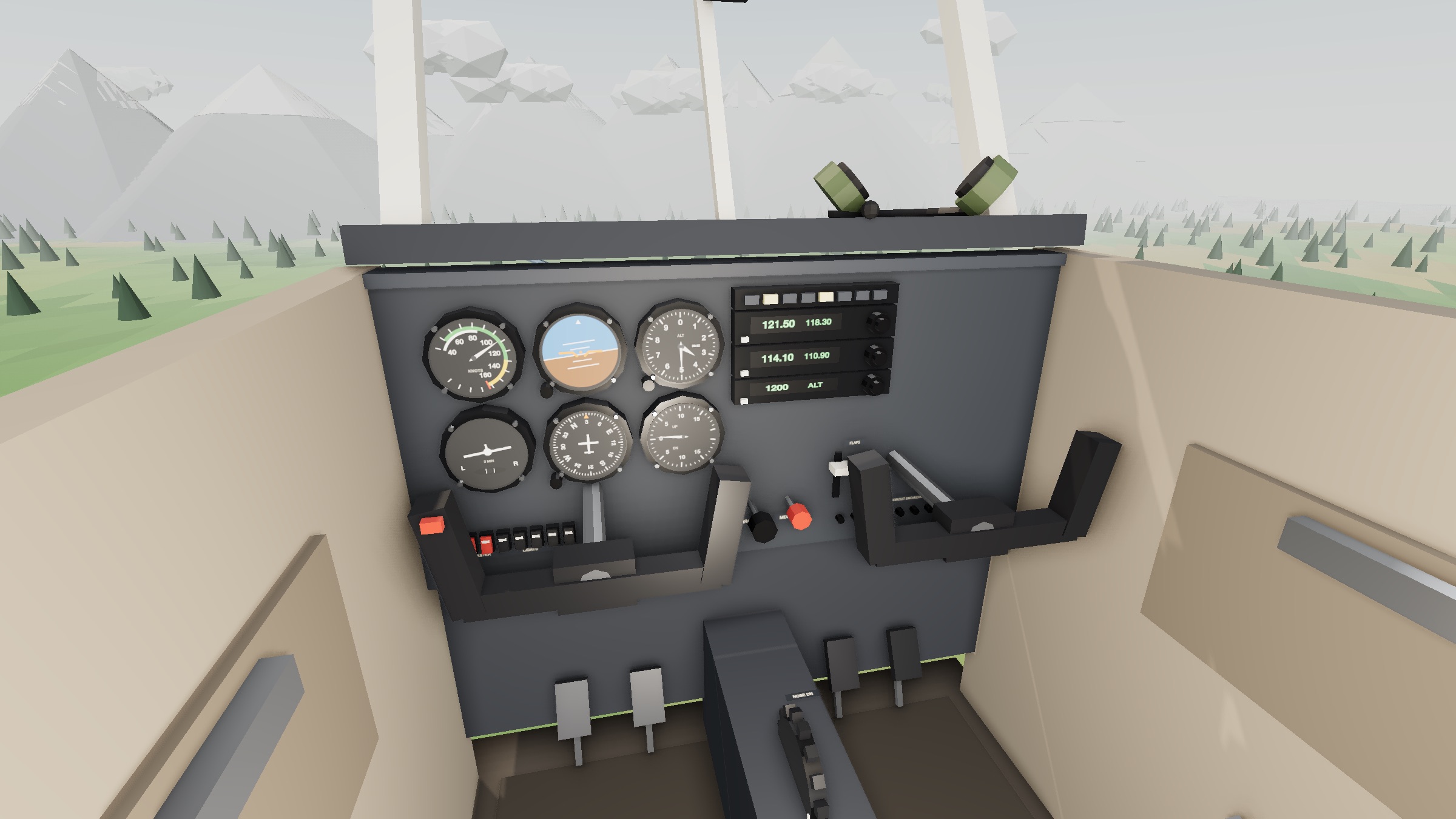
The throttle pushes forward for more power.
The trim wheel rolls the way the nose moves.
The push-to-talk button sits under your thumb.
And the further you look beyond training airplanes, the more the patterns hold. Even in an airliner's glass cockpit, airspeed is still on the left, altitude on the right and attitude in the middle, the same arrangement as the old round steam gauge panels.
 Trainer, steam gauges
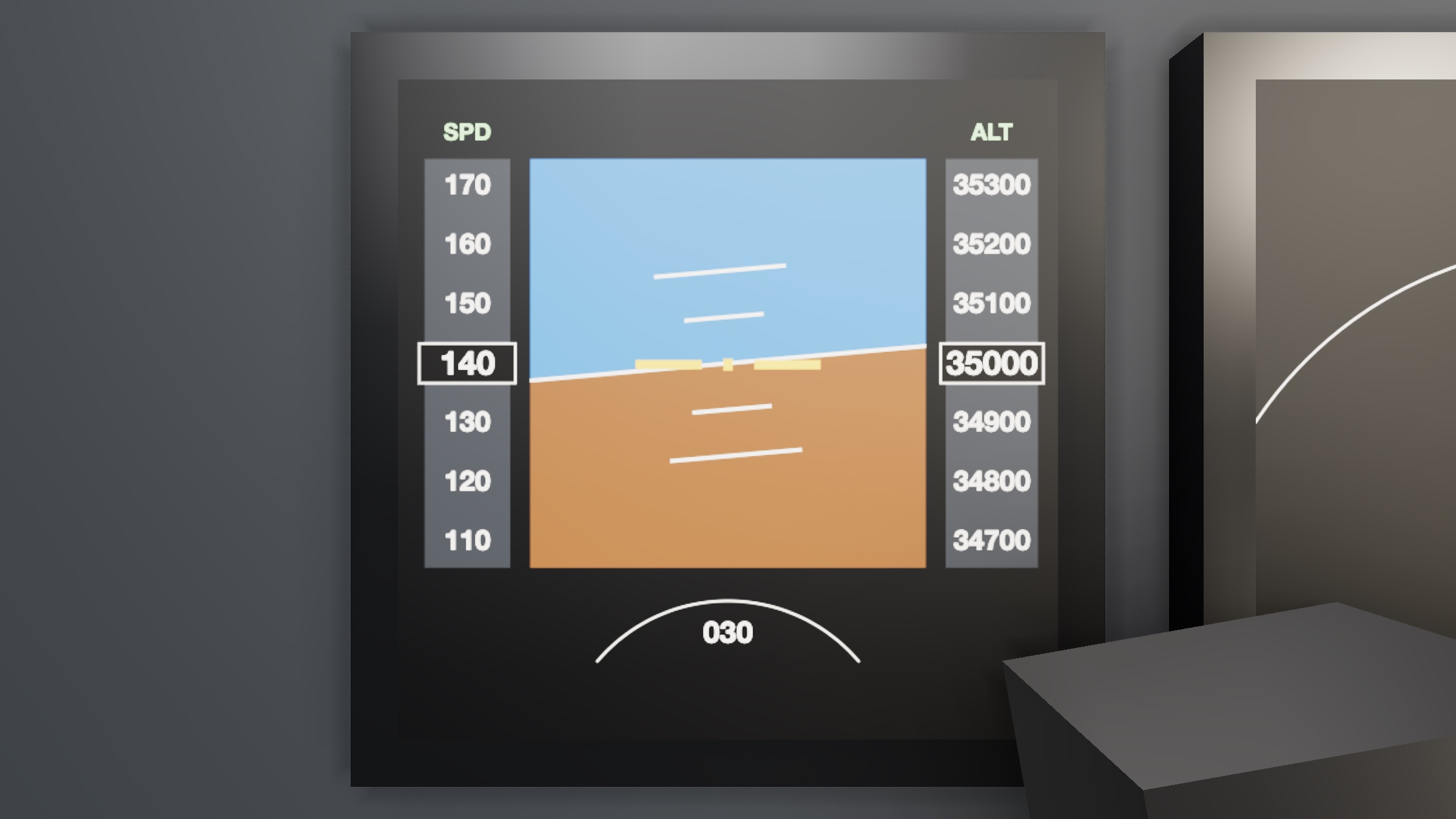 Airliner, glass
What I've learned in one aircraft carries into the next.
Now imagine every pilot redefining what the switches do and shuffling them around based on personal preference.
Each change might make sense to its architect, but the next pilot to climb in would be lost (which has some pretty obvious and serious consequences)
Conventions are accumulated knowledge,
we don’t make this shit up.
So why do we accept this in aviation and not in SaaS tools? I'm going to bet that it has something to do with the cost remaining relatively invisible in software.

Is there a version of this where we're more efficient by building software in our own image? For one person, almost certainly.
The trouble begins when a personal preference turns into a shared system. The best thing I can do as a designer is to advocate for people who aren't in the room, which often means proposing something ordinary.
In support of that stance, I realized the argument was bigger than the software. Being part of a company, like being part of any group, means trading a bit of what you'd choose alone for something everyone can share.
A version I proposed in place of Yellowstone is plain with all of its pages in a sidebar, a filter that filters, and no theme to decode.
Likely nobody will look at it and say "Wow! Good job!" with the same enthusiasm a parent would about a child's drawing, but they'll use it, and I'd argue there's a particular kind of beauty in its utility.

October 2026
The format is inspired by Amelia Wattenberger’s essays.
3D models: Cow, Bull, Horse and White Horse by Quaternius (CC0 1.0), via Poly Pizza; the moose and bison are these, recoloured. Everything else, from the land, cabin and barn to the plane, cockpit, trees and clouds, is built in code with three.js.


